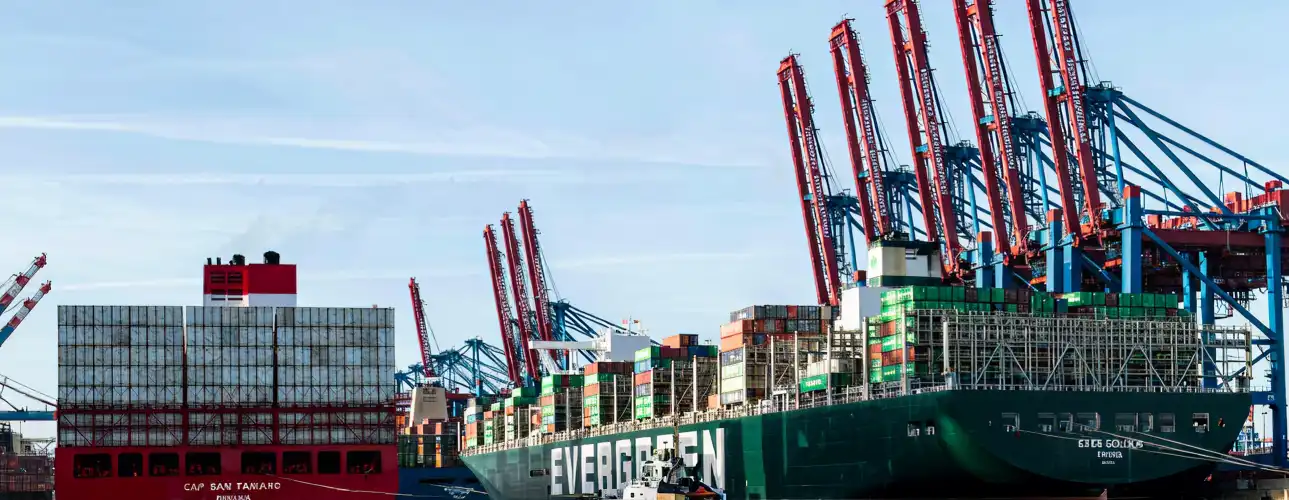


"Where's my container?" It's the three-word question that makes every logistics professional's eye twitch. Because somewhere between "shipped" and "delivered," your 40-foot box has entered what we like to call the Bermuda Triangle of supply chain visibility.
Sure, you got that cheerful "departed port" notification two weeks ago. But now? Crickets. Your container could be sipping margaritas in the Caribbean or stuck behind a traffic jam of 200 other vessels—and honestly, your tracking system has about as much insight as a Magic 8-Ball.
Here's the thing: while most forwarders will eventually tell you what happened to your shipment, the smart ones make sure you know before it becomes your problem. Because in a world where your container might be carrying a product launch, factory restart, or that make-or-break holiday inventory, tracking isn't just customer service—it's survival.
Let's dive into how genuinely proactive forwarders track from port to dock, and why it's the difference between smooth sailing and a full-scale logistics emergency.
The Silent Middle: Where Containers Go to Hide
Let's be honest about what "tracking" usually means in our industry. You get excellent visibility right up until your container leaves the first port. Then it's like your cargo enters a witness protection program—completely off the radar until it magically reappears at destination. Or doesn't.
This communication blackout happens because traditional tracking stops where the real challenges begin. Your container is now floating somewhere in the vast Pacific, and everyone's working with estimates that have about as much accuracy as a weather forecast.
But here's what's actually happening in that "silent middle" that can torpedo your entire shipment:
Blank sailings drop like surprise plot twists. Your container was booked on the COSCO Beijing, but carrier demand plummeted and they canceled the sailing faster than you can say "capacity management." Now you're automatically rolled to next week's vessel—assuming there's space, which there probably isn't.
Port congestion turns short stops into extended vacations. Your vessel finally arrives at Los Angeles, but there are 52 ships playing the world's most expensive game of musical chairs. That "Tuesday arrival" just became "sometime before the heat death of the universe."
Missed connections create domino effects that would make Rube Goldberg proud. Your container was supposed to transship in Rotterdam for final delivery to Hamburg, but the connecting vessel sailed 4 hours before your feeder arrived. Now you're looking at a 7-day delay and explaining to your customer why their production schedule just got rearranged.
Documentation delays create invisible walls. Your commercial invoice had a tiny discrepancy—maybe a comma in the wrong place—and now your container is sitting in customs purgatory while everyone plays the world's slowest game of telephone with the local broker.
Port strikes appear overnight like unwelcome house guests. The longshoremen at your destination port decided today was a good day to negotiate, and your container is now part of a very expensive parking lot.
Without proactive tracking, these problems show up after they've already caused maximum damage. Your customer finds out about the delay when their production line goes quiet. Your warehouse team shows up to receive air. Your finance team gets blindsided by detention fees that seemingly materialized out of thin air.
The frustrating part? Most of these issues are predictable and manageable—if you know about them early enough to actually do something productive instead of just explaining what went wrong.
Real-time intelligence equals real decision-making power. When your forwarder knows about a port delay 48 hours before arrival, you can reschedule warehouse labor, adjust customer expectations, and potentially reroute urgent cargo through a different port. When they find out during discharge, you're stuck explaining why everything just got more expensive.

Early warnings equal customer loyalty. Nobody enjoys logistics surprises. The customer who gets advance notice about a 3-day delay can adjust their production schedule and communicate with their own customers. The customer who finds out on delivery day? They're already updating their vendor database.
Here's the math: proactive tracking costs significantly less than reactive damage control. Every single time.
What Real Proactive Tracking Actually Looks Like
Genuine proactive tracking isn't just someone checking carrier websites more obsessively. It's a systematic approach that combines smart technology, experienced people, and seamless communication to catch problems before they metastasize into disasters.
API-integrated vessel and port data means your forwarder isn't depending on carrier websites that update whenever the mood strikes. They're pulling live data from multiple sources—port authorities, vessel tracking systems, terminal operators, weather services—to build a complete, real-time picture of where your cargo actually is and where it's realistically going.
Exception-based alerts trigger automatically when reality diverges from the plan.
Blank sailing announced? You know within hours, not days.
Port strike declared? Your team is already exploring alternate routings.
Vessel delayed by weather? Your warehouse gets updated delivery windows before they staff up for nothing.
Strategic intervention capabilities mean your forwarder doesn't just watch problems happen—they actively work to minimize impact. When their expert tracking team identifies that your vessel will arrive 6 hours late at the transshipment port, they're already on the phone with the liner, negotiating to push your container onto the earlier connecting vessel that's still in port.
Intelligent rerouting recommendations turn potential disasters into minor inconveniences. When a port strike hits your primary destination, your forwarder doesn't just tell you about the problem—they've already mapped out the longer but available route through an alternate port, complete with cost implications and new timeline.
Synchronized supply chain coordination means your entire logistics network moves as one organism. When your container's ETA shifts from Tuesday to Friday, your trucker automatically gets the updated pickup window, your warehouse adjusts receiving schedules, and your customer service team updates their delivery commitments. No phone tag, no double-booking, no wasted resources.
"It's not about showing you where your box is. It's about telling you what you need to do next—and doing it with you."
The best forwarders don't just track—they translate tracking data into actionable intelligence and executable solutions. They tell you that your container will arrive 3 days late, explain why, present your options, and implement the best solution while you're still reading their email.
The Hidden ROI: Where Smart Tracking Pays for Itself
Proactive tracking delivers returns that don't always show up on the invoice but definitely show up on your bottom line. Here's where forward-thinking forwarders save you money you didn't even know you were losing:
Eliminate detention and demurrage fees through precise arrival predictions. No more expensive guessing games that leave containers sitting on docks accumulating charges like parking meters.
Optimize warehouse labor costs with accurate delivery windows. When your warehouse team knows containers are delayed, they can adjust staff schedules instead of paying overtime for workers with nothing to unload.
Prevent production disruptions through early warning systems. A 3-day delay announced a week in advance lets your production team adjust schedules and maintain efficiency. A 3-day delay announced on delivery day shuts down your entire operation.
Reduce emergency airfreight costs by catching delays early enough to explore alternatives. When you know about a problem a week out, you can potentially reroute through a different port or negotiate space on a faster vessel. When you find out on delivery day, your only option is expensive emergency airfreight that costs more than your original ocean shipment.
Strengthen customer relationships through consistent, accurate communication. Customers remember forwarders who keep them informed and proactively solve problems. They also remember forwarders who don't—and they switch.
Improve cash flow management with predictable cost structures. No more surprise charges, emergency fees, or rushed payments for unexpected complications.
Maintain team productivity by eliminating the constant crisis management that comes with reactive forwarding. When your team spends their days chasing updates and explaining delays, they're not growing your business—they're just surviving it.
The real ROI isn't just in the fees you avoid or the efficiency you gain. It's in the opportunity cost of not having to constantly manage logistics emergencies that could have been prevented with better information and faster action.
The Human Side: Stress-Free Supply Chain Management
Behind every container is a person who needs to sleep at night without worrying about what logistics disaster might be brewing in the middle of the Pacific. Proactive tracking isn't just about technology and processes—it's about giving people the confidence to focus on growing their business instead of constantly firefighting.
Operations managers can actually manage instead of spending half their day playing detective with carrier websites. They get the information they need to make strategic decisions and focus on process improvements rather than crisis management.
Finance teams can plan with confidence when they know exactly when containers will arrive and what costs are coming. No more surprise demurrage charges or rushed wire transfers for unexpected fees that appeared out of nowhere.
Customer service representatives become heroes instead of apology machines. They have real-time information and can provide confident answers instead of the dreaded "let me check and get back to you" response that makes customers question their vendor choices.
Sales teams can sell with confidence knowing their logistics partners won't leave them exposed to angry customers and delayed deliveries. They can focus on growth instead of damage control.
Supply chain executives can sleep soundly knowing their logistics partners are actively monitoring and managing their shipments, not just hoping everything works out.
The psychological impact of reliable tracking extends far beyond just having information. It's about confidence, predictability, and the peace of mind that comes from knowing someone competent is actively managing your supply chain risks.
Final Word: You Can't Control the Ocean, But You Can Control the Response
In international logistics, surprises are expensive. Radio silence is even more costly.
The ocean will always be unpredictable. Ports will get congested. Vessels will get delayed. Documentation will get questioned. Strikes will happen. These are facts of international trade, not problems to be solved—they're challenges to be managed.
But what you absolutely can control is how quickly you know about these issues and how effectively you respond to them. The difference between a forwarder who tells you about a delay after it's already impacted your business and one who gives you early warning with actionable solutions isn't just customer service—it's competitive advantage.
Working with a forwarder who truly tracks from port to dock isn't a nice-to-have feature—it's the difference between strategic planning and constant firefighting. If your current partner's idea of proactive communication is sending you a tracking number and hoping for the best, it might be time to upgrade your relationship.
Because in a world where your supply chain can make or break your business, you deserve a partner who keeps you informed, prepared, and ahead of the curve.
Talk to our team at Airlift to learn how we help companies like yours replace uncertainty with clarity—one container at a time.
This article was written by the team at Airlift, a technology-forward freight forwarder helping businesses navigate the balance between digital efficiency and personalized service. Learn more at airliftusa.com
Get a quote for your shipment
Have a shipment to move? Send the origin, the destination, the cargo and the container or weight; we reply with the rate, the routing and the services included.