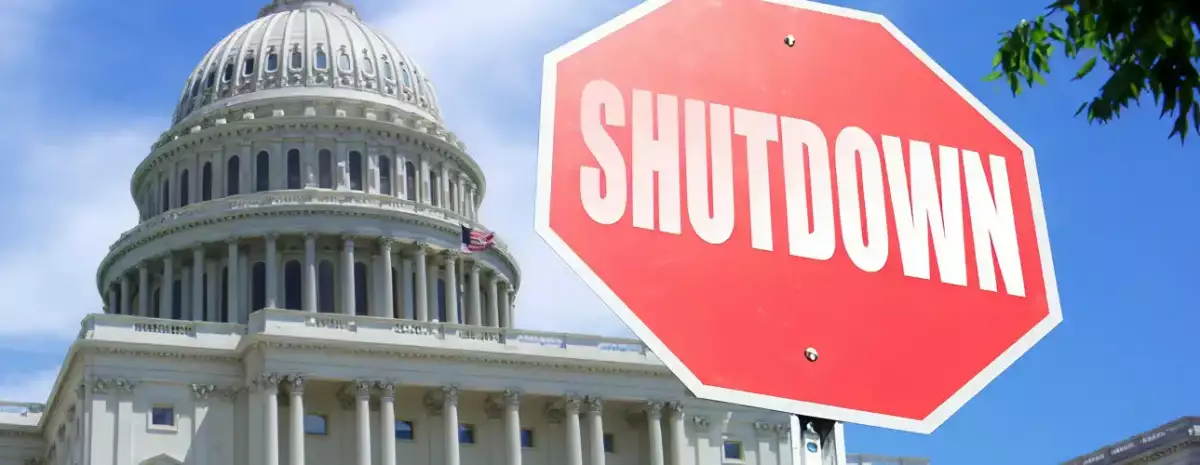


The U.S. federal government shutdown that began on October 1st is now causing significant disruptions for importers. While U.S. Customs remains operational, critical partner agencies are furloughing staff, creating unpredictable bottlenecks at major ports.
This briefing center provides a live look at what's happening on the ground—and what you need to do to protect your shipments.
Key Takeaways
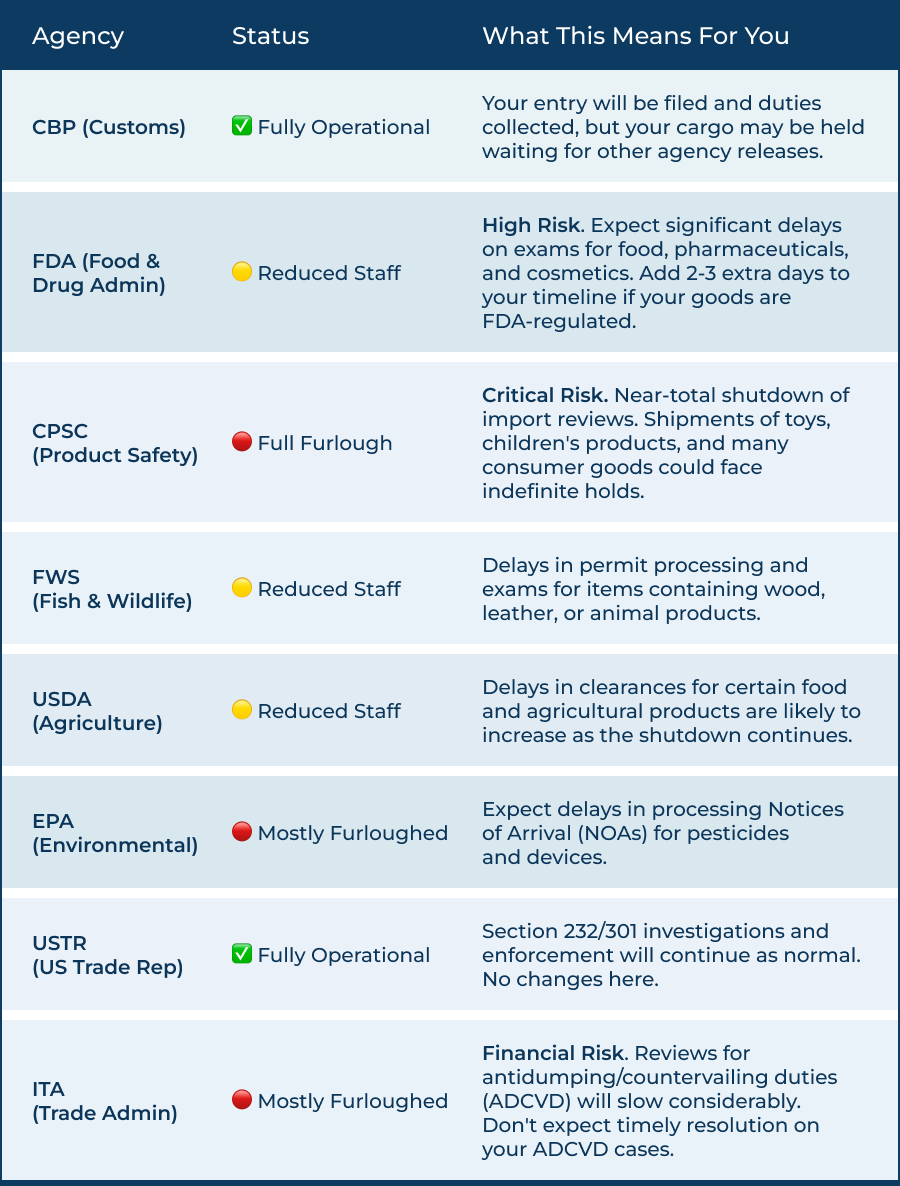
U.S. Customs (CBP) is OPEN: CBP will continue to process entries and collect all tariffs and duties as normal.
The REAL Delays Are Partner Agencies: The most severe delays are from furloughed Partner Government Agencies (PGAs). If your goods require inspection from the FDA, CPSC, or FWS, expect critical delays.
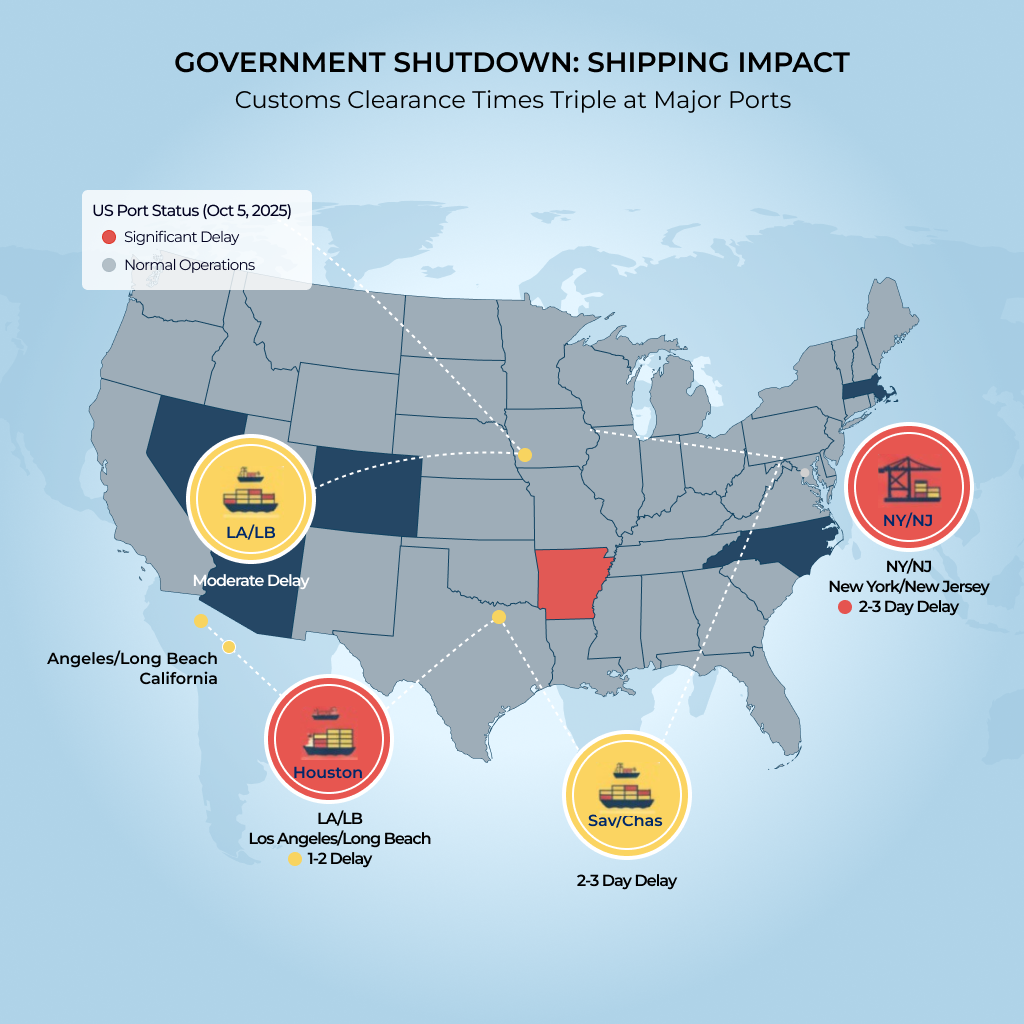
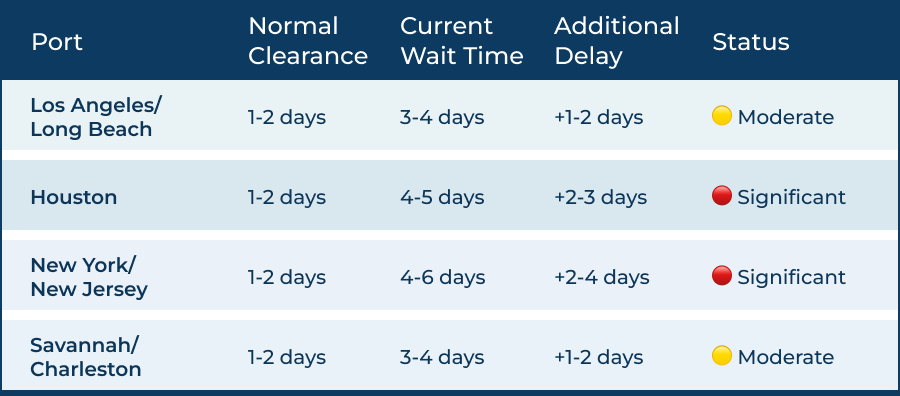
Port Wait Times Doubled: Clearance times at major ports like NY/NJ and Houston have already increased by 2-4 days.
Documentation Errors are Disasters: A minor error on an invoice or ISF that might have caused a few hours' delay last month will now cause a multi-day hold. Precision is mandatory.
Current Wait Times at Major U.S. Ports
Agency Operational Status: Shutdown Impact on FDA, CPSC, USDA & More (October 2025)
This is the most critical information. While CBP processes cargo, they cannot release it without approval from these agencies.
Shutdown Impact on Textiles, Food Imports, and Machinery from India, Bangladesh & Vietnam
Food and Agricultural Products (Severity: CRITICAL) With the FDA and USDA at reduced capacity, perishable cargo is at extreme risk. Consider shifting to air freight if possible and communicate extended timelines to customers immediately.
Textiles and Apparel (Severity: HIGH) Shipments from India, Bangladesh, and Vietnam face dual scrutiny on country of origin and tariff classification. Expect 2-4 extra days for these reviews. Ensure your commercial invoice is flawless.
E-commerce and Small Shipments (Severity: MODERATE) LCL shipments are experiencing longer holds at consolidation warehouses (+1-3 days) and increased risk of demurrage. Factor in 5-7 extra days for your port-to-fulfillment-center timeline.
Machinery and Industrial Equipment (Severity: MODERATE) High-value cargo is more likely to be flagged for physical inspection. Expect wait times for these exams to be 2-3 days longer than usual.
Mini Case Study: Lessons from the 2019 Shutdown
Challenge
During the 2018–2019 U.S. government shutdown, apparel importers faced multi-day clearance delays at New York/New Jersey. With FDA and CPSC staff furloughed, even small documentation errors risked containers being held for weeks, threatening seasonal launches.
Our Solution
Airlift acted fast:
Pre-cleared documentation to eliminate single-entry errors.
Shifted urgent shipments to air freight to bypass port bottlenecks.
Coordinated with carriers and terminals to reduce demurrage risk.
Kept end customers updated in real time, providing reassurance through uncertainty.
Results
✅ Thousands in demurrage fees avoided
✅ Seasonal cargo moved despite agency slowdowns
✅ Importers and their buyers stayed confident through clear, consistent communication
Why it Matters Now (2025)
With FDA, USDA, and CPSC again under reduced staff, the risks look familiar. Airlift’s shutdown playbook from 2019 is already in motion — protecting today’s importers before problems turn into costs.
Shutdown Cost Impact: Demurrage, Storage & Revenue Loss for Importers (2025)
Supply chain disruptions translate directly into dollars. Here's what to prepare for:
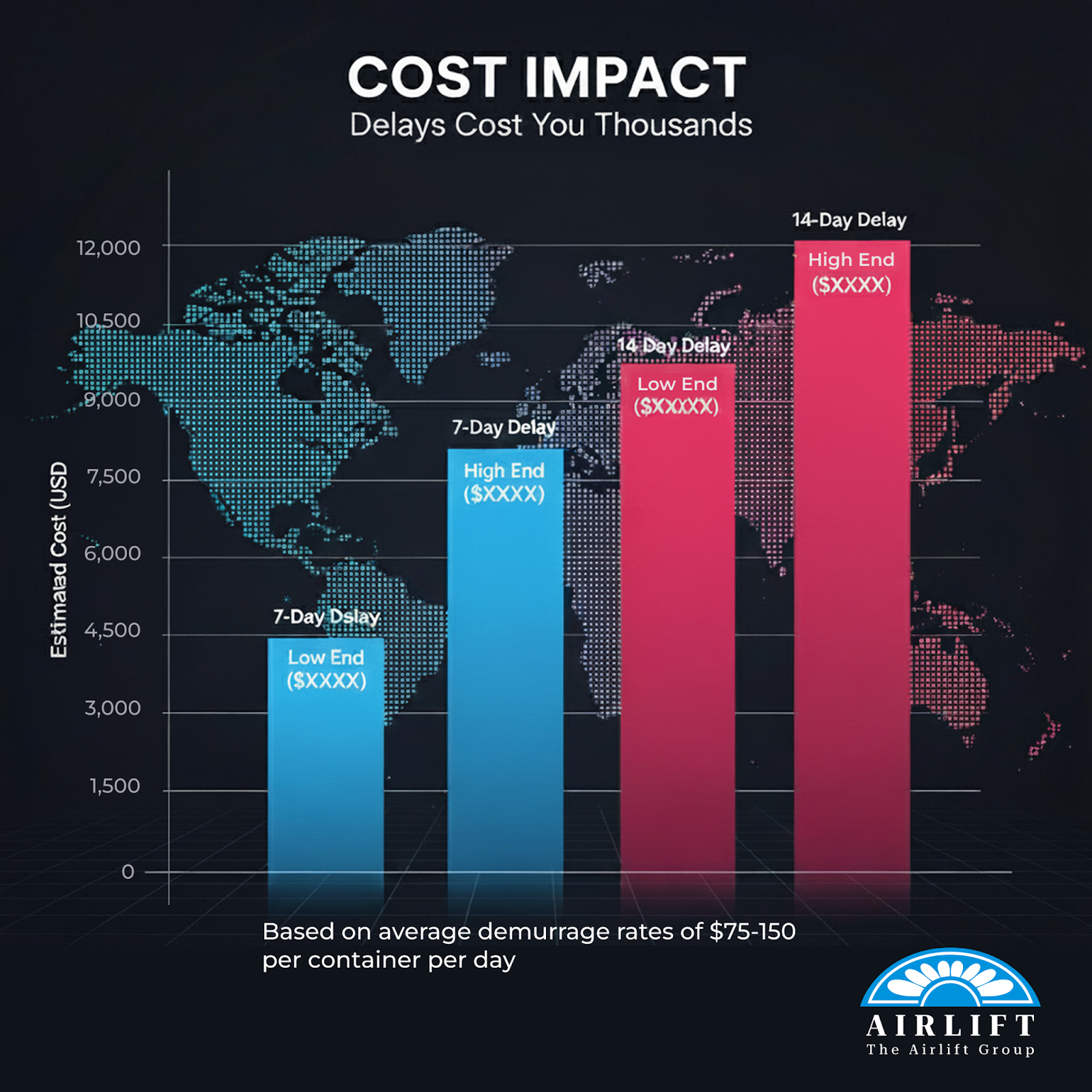
Demurrage Cost Impact (Per Container)
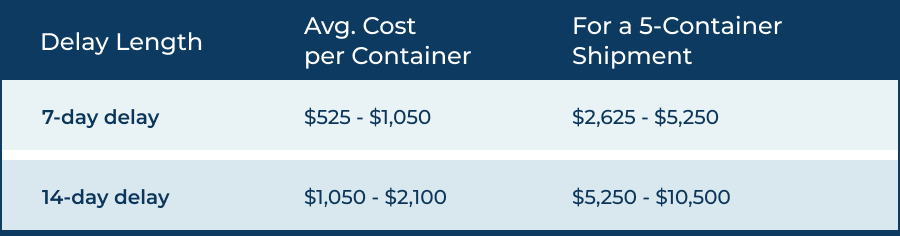
Based on average demurrage rates of $75-$150 per container per day.
Hidden Costs to Track:
Lost Sales Revenue: From missing promotional deadlines or seasonal stock-outs.
Additional Warehousing: Port storage fees ($50-$150/day) and fulfillment center holding costs.
Customer Relationship Damage: Negative reviews and reduced orders from retail partners.
How Importers Can Avoid Shutdown Delays: ISF Filing, Documentation & Timeline Planning
Extend Your Shipping Timeline Immediately. Add 5-7 buffer days to all ocean freight shipments arriving in October and November. The new breakdown is:
Factory to port: 5 days
Ocean transit: 18-25 days
Customs & Agency Clearance: 4-7 days (was 1-2)
Last mile delivery: 3-5 days
Perfect Your Documentation. During the shutdown, there is zero tolerance for errors.
✅ ISF Filing: File it the moment you book. A late file is a guaranteed $5,000 penalty and a 2-4 day delay. No exceptions will be granted.
✅ Commercial Invoice: Triple-check that HS codes, country of origin, and product descriptions are hyper-detailed and 100% accurate.
Communicate Proactively with Stakeholders. Use this template to inform your customers:
"Shipment Update: Government Shutdown Impact. Due to the US government shutdown, customs and agency processing at [PORT NAME] is experiencing 3-5 day delays beyond normal timelines. Your order's revised ETA is now [NEW DATE]. We are monitoring the situation daily and will provide updates every 48 hours."
U.S. Government Shutdown FAQ for Importers & Exporters (October 2025 Update)
1. What is the primary impact of the US government shutdown on international freight? According to the article, the primary impact is that customs clearance times are expected to triple at major US ports. Processing that normally took 1-2 hours is now taking 3-6 hours, and overall clearance is significantly delayed.
2. Which ports are most affected by these delays? The ports of Houston and New York/New Jersey are experiencing "Significant" delays. The current wait times are:
New York/New Jersey: 4-6 days (an additional delay of 2-4 days).
Houston: 4-5 days (an additional delay of 2-3 days).
Los Angeles/Long Beach and Savannah/Charleston are facing "Moderate" delays of an additional 1-2 days.
3. I am importing textiles from India. What specific issues should I be concerned about? The article classifies the severity for textile and apparel importers from India, Bangladesh, and Vietnam as HIGH. You should expect additional delays due to:
Country of origin verification: +24-48 hours
Tariff classification reviews: +12-24 hours
Anti-dumping compliance checks: +24-36 hours The recommended action is to add 3-4 days to your typical clearance timeline and ensure all documentation is precise.
4. What are the potential financial costs associated with these customs delays? The financial impacts are significant and come from multiple sources:
Demurrage Costs: A 7-day delay for a single container can cost between $525 and $1,050. For 10 containers, this could be as high as $10,500.
Lost Sales Revenue: Late seasonal inventory could lead to a 30-50% revenue loss.
Additional Storage Costs: These can range from $50-$150 per day at the port.
Damage to Customer Relationships: Delays can lead to negative reviews and reduced future orders.
Take Control of Shutdown Disruptions
Navigating this environment requires more than just a booking agent; it requires a strategic partner. Our team has direct relationships at major US ports and deep expertise in PGA clearances. We can help you minimize delays and costs.
Explore our Customs Clearance services for expert support during shutdown disruptions.
We will review your upcoming shipments and provide:
A specific delay estimate for your cargo and route.
An audit of your documentation to flag any risks.
Alternative routing options and cost comparisons.
[Click Here to Request Your Free Assessment]
Get a quote for your shipment
Have a shipment to move? Send the origin, the destination, the cargo and the container or weight; we reply with the rate, the routing and the services included.